GRIT
Gallantly Resilient In Transition
Life Doesn't Have to Stay Hard — Strategies to Thrive
Facilitated by Cindi Sanden & Dr. Mark Miller
February 3, 2026 • Soddy-Daisy, TN

A community of support to help Veterans move forward together
How to Get Involved
Stay at the Retreat
Complimentary week-long stays for Veterans and their families
Attend Classes & Gatherings
GRIT Training, future classes/gatherings at the Community Center upon completion
Volunteer
- Lead excursions for Veterans staying at the retreat (hiking, biking, Chattanooga attractions, etc.)
- Lead Veteran gatherings or classes at the Community Center or PGF Office in Soddy Daisy (coffee meet ups, drop-in hours, peer support groups, workshops)
Tonight's Workshop
We're bringing together all four parts of the GRIT series into one powerful session, plus three special guest speakers.
Guest: Jillian Ricks
Guest Speaker
Gary Phillips
Warrior Freedom Service Dogs
Guest Speaker
Tim Sullivan
American Job Center
Guest Speaker
Jillian Ricks
Jillian's Healing Arts — Mindfulness
Resilience, Gratitude & Three Good Things
Understanding the foundation of bouncing forward
What is Resilience?
Resilience is the ability to withstand adversity and bounce back from difficult life events. Being resilient does not mean you don't experience stress, emotional upheaval, and suffering. It means you have the ability to work through emotional pain and suffering.
Think of a large rubber band stretched between your hands. You can only stretch it so far before it finally snaps. We as human beings are very much like that rubber band — we can only take so much before we might snap too.
Research shows resilient people tend to possess: acceptance, purpose, and flexibility.
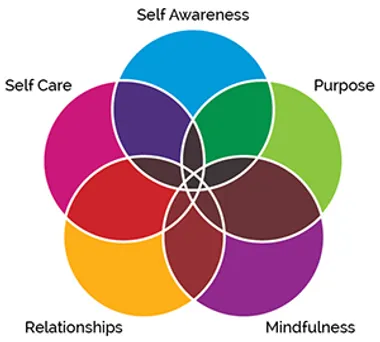
The 5 Pillars of Resilience
By strengthening these pillars, we become more resilient. Instead of an overwhelming downward spiral when we encounter stress, these five pillars work together to lift us up.
- Self Awareness
- Mindfulness
- Self Care
- Positive Relationships
- Purpose
— Bounce Back Project™
Resilience Can Be Learned!
The best part? You don't have to be born with it.
Consistency is the key. The more you practice, the better you get. Strive for progress, not perfection.
Why Is Resilience So Important?
- Greater resilience leads to improved learning and achievement
- Related to lower absences from work due to sickness
- Contributes to reduced risk-taking behaviors including excessive drinking, smoking, and use of drugs
- More involvement in community and family activities
- Related to a lower rate of mortality and increased physical health
Resilience can add years to your life.
Gratitude
Which line are you most often standing in?
The Complaint Line
We are quick to complain when things don't go our way. We see this everywhere — in stores, restaurants, and healthcare settings.
The Gratitude Line
Why aren't we as quick to share gratitude when it is earned? Wouldn't it be great to shift toward this line?
Being Grateful Makes Us Happy
Close your eyes and think about someone who, at some time in your life, has rekindled your inner light. Someone you are truly grateful for and have never properly thanked.
Three Good Things
A simple daily practice that retrains your brain.
- Writing down three good things that happen each day helps you focus on the positive parts of your life
- This balances out the negative things you might be dwelling on
- Reflecting on these positives helps you feel more grateful and shifts your perspective
- This simple practice helps retrain our brain to shift from counting our troubles to counting our blessings
Our brains are hardwired for negativity — we remember bad things to protect us from harm. We have to be intentional about focusing on the positives.
Gary Phillips
Warrior Freedom Service Dogs
501(c)(3) Nonprofit • Chattanooga, TN
Warrior Freedom Service Dogs helps combat veterans with service-induced Post-Traumatic Stress (PTS) and Traumatic Brain Injury (TBI) reconnect through trained service dogs — provided at no cost to the veteran.
Their unique approach: "We believe in training the veteran to train the dog" — building a direct bond between veteran and canine partner. Teams must meet both ADA and Assistance Dogs International standards.
TN, GA & AL
opportunities available
(706) 944-3699
Tim Sullivan
American Job Center
Tim will share the resources and support available through the American Job Center to help veterans find meaningful employment and build a career path after service.
Social Connections & Random Acts of Kindness
The healing power of relationships
Chasing Happiness
If you ask anyone what they want more than anything, they'll likely say happiness. Our society tells us the more things we have, the happier we are.
Happiness is correlated with money only up to about $125K/year for a household. Beyond that? No correlation. But happiness is correlated with money spent on experiences with people you have relationships with.
The keys to lasting happiness, health, and longevity:
- Being Grateful
- Being Content
- Having Quality Relationships
Stop saying "I will be happy when..." and start saying "I am happy now because..."
The Harvard Study of Adult Development
The longest study of adult life ever conducted — 75 years tracking 724 men.
"Good relationships keep us happier and healthier. Period."
— Robert Waldinger, Director of the Harvard Study
The best predictor of your overall health, happiness, and longevity is how good your relationships are. Not wealth. Not fame. Not career achievement.
Loneliness Is Bad For Our Health
People with strong social relationships are 50% more likely to live longer. Do you have any "4am friends" — someone you could call at 4am?
The Healing Power of Social Connections
- Extended life
- Decreased anxiety and depression
- Better perception of own well-being
- Increase in self-esteem and social support
- Decrease in suicidal ideation
- Strengthens your immune system
What Can You Do?
- Reach out to one person you care about every day
- Do things in nature
- Take a class, volunteer
- Be authentically who you are
- Talk to people who serve you — call them by name
- If someone seems lonely, reach out
Have the courage to show up and be seen. Take off the masks of who you think you need to be and be who you really are.
Random Acts of Kindness
"Doing an act of kindness produces the single most reliable momentary increase in well-being of any exercise that has been tested."
— Dr. Martin Seligman, University of Pennsylvania
For the Receiver
Happiness increases for up to 24 hours
For the Giver
Your happiness increases for up to 2 weeks!
Even bystanders who witness kindness experience increased generosity, kindness, and gratitude.
"Life is an echo.
What you send out, comes back.
What you sow, you reap.
What you give, you get.
What you see in others, exists in you."
— Zig Ziglar
Mindfulness & Self-Care
Being present and taking care of yourself
Jillian Ricks
Jillian's Healing Arts
Jillian will guide us through mindfulness practices and share how these techniques can be applied in daily life to build emotional resilience.
What is Mindfulness?
A state of active, open attention on the present. When you're mindful, you observe your thoughts and feelings from a distance, without judging them good or bad.
In other words...
- Focusing on one thing at a time
- Being aware of your emotions and acknowledging they won't last forever
- Staying present, in this moment — "Be here now"
- Recognizing that your thoughts and feelings are fleeting and do not define you
Why Practice Mindfulness?
Even a few weeks of practice can bring benefits:
- Boosts immune system
- Increases positive emotions, reduces stress
- Improves memory and attention
- Fosters compassion for others and ourselves
- Enhances relationships
- Reduces symptoms of PTSD in veterans
- Reduces hostility in high-stress environments
- Encourages healthier habits
Your Happiness Set Point: 50% Genetics • 10% Life Circumstances • 40% Your Thoughts, Actions & Values — this is where mindfulness lives.
The Observer vs. The Storyteller
The Storyteller
- Melodramatic, blows things out of proportion
- Jumps to negative conclusions
- "This must be about me!"
The Observer
- Observes without bias
- Reflects realistically — no more, no less
- Asks for clarification before concluding
Example: The boss slams the door.
Storyteller: "Better update the resume. We're getting fired."
Observer: "The boss seems agitated. I'll check in later."
Ultimately, You're In Charge
YOU get to decide how you want to think and act.
- Listen to your thoughts and contradict dramatic assumptions
- Look for other ways a situation can be interpreted — is this truly about you?
- The more you practice, the more your brain uses these "positive pathways"
- Eventually, the storyteller starts to rewire in a more positive, mindful way
Resilience Through Awareness: We all have an innate ability to manage stress by being aware of our thoughts and reflecting — are these thoughts realistic, true, and accurate?
Self-Care
Self-care is our ability to function effectively while meeting the challenges of daily life with energy, vitality, and confidence. It is not selfish.
Why It Matters
- Without self-care, relationships suffer
- Makes us more effective and energetic
- Produces positive feelings that improve confidence
- Models healthy behavior for others
Ideas to Start
- Make a date with yourself
- Unplug from devices
- Journal or meditate
- Run, walk, or move for a few minutes
- Spend time with people who lift you up
- Do something that feeds your soul
Building Resilience Through Exercise & Nutrition
Exercise
- Intentionally stressing our bodies through exercise improves stress resilience
- Even moderate activity like walking changes brain neurochemistry
- Goal: 20–30 minutes a day doing something you enjoy
Nutrition
- Diet rich in fruits, vegetables, protein, and healthy fats
- Avoid highly processed foods — linked to poor mental health
- Start small: try adding more good before cutting out bad
Small changes make a big difference. Start where you are.
Finding Purpose
The final pillar of resilience
So What Is Purpose?
Purpose in life refers to a "feeling that there is meaning in one's present and past life" — something that is instantly meaningful, something that makes you come alive.
4 Key Components
When the identity of "soldier" is gone, finding new purpose becomes essential. GRIT is about rebuilding that sense of direction.
Just The Facts
Having purpose increases well-being, improves physical health, enhances resilience, boosts self-esteem, and decreases depression.
Purpose Provides
Motivation
Having purpose provides an attainable goal and keeps you focused
Resilience
Determination and endurance to keep going through the hard days
Positivity
Resistance to depression, anxiety, boredom, and frustration
Optimism
Provides hope and attainable goals to work toward
Belonging
Feeling part of something bigger increases well-being
Acceptance
Harvard study: reflecting on purpose reduces negative feelings
Things to Get You Thinking...
Write the first thing that pops into your head. Be honest — nobody will read it.
- What makes you smile?
- What activities make you lose track of time?
- What makes you feel great about yourself?
- Who inspires you most? What qualities?
- What are you naturally good at?
- What are you good at giving or doing for others?
- What challenges have you overcome? How?
- At 90, looking back — what matters most?
Failure Is Not a Dirty Word
Failure is success that has not happened yet.
Failure means you are learning. Get up and get out — experience as many new things as possible until you find something that is important to you.
It might cause some embarrassment. But if you don't try it, how will you ever know? What are you willing to sacrifice or give up to make it through the bumpy times on your path to happiness?
"Life should not be a journey to the grave with the intention of arriving safely in a pretty and well-preserved body, but rather to skid in broadside in a cloud of smoke, thoroughly used up, totally worn out, and loudly proclaiming —
'Wow! What a Ride!'"
— Hunter S. Thompson
Your Hard Days Toolkit
Take these strategies with you. Access them anytime from your phone.
The Metaphor
The rubber band — recognize when you're stretched too thin
The Strategy
Observer vs. Storyteller — separate facts from anxious narratives
The Daily 3
3 Good Things, Gratitude Check, Connection
Thank You
Stay connected. Keep practicing. You don't have to bounce back alone.
Facilitated by Cindi Sanden & Dr. Mark Miller
In partnership with Project Gallantly Forward